Disclaimer: The information provided in this article is for educational and informational purposes only. It is not intended as a substitute for professional medical advice, diagnosis, or treatment. Always seek the advice of a qualified doctor or healthcare specialist with any questions you may have regarding a medical condition or before starting any new health or wellness practice.
When Does a Woman’s Body Need Help?
A woman’s body is special—it changes in cycles, is very sensitive, and reacts deeply to physical, emotional, and hormone shifts.
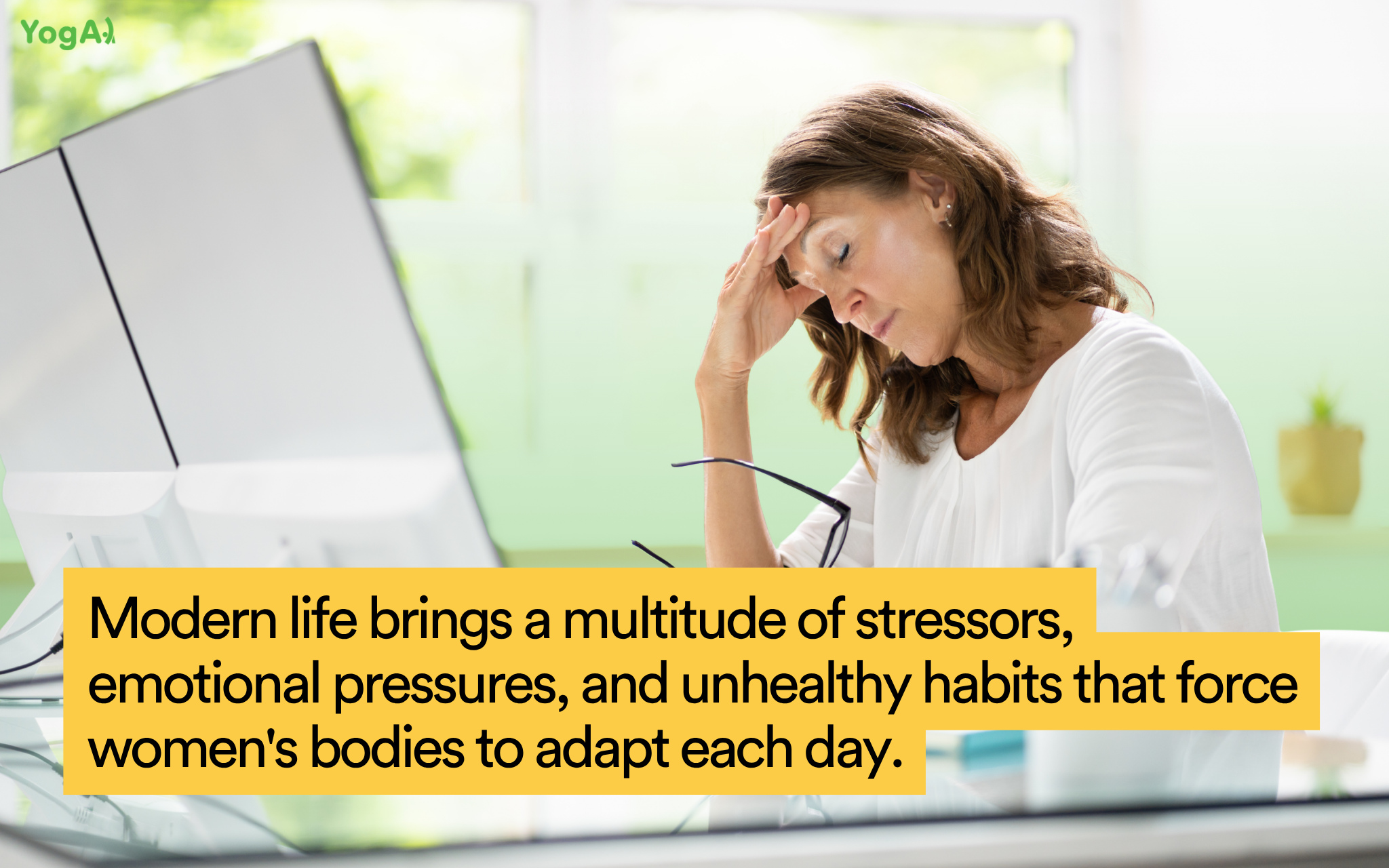
From the first period to the last, and through big phases like being pregnant or after giving birth, the body is always adjusting. Plus, modern life piles on stress, emotional demands, and unhealthy habits.
This Is Why Many Women Deal With
- Quick mood changes and worry;
- Periods that are not on time or very painful;
- Hormone problems like PCOS (Polycystic Ovary Syndrome): A common hormone problem in women that can cause irregular periods, high hormone levels, and small cysts on the ovaries;
- Feeling down or overwhelmed during pregnancy or after giving birth;
- Trouble sleeping during menopause;
- Always feeling tired or completely burnout;
- Health challenges like recovering from breast cancer.
Here’s What Is Important
These issues are not just random problems. They are signs that your body is out of balance. Therapeutic yoga and meditation offer a focused way to help these conditions. They don’t just hide the symptoms; they work by calming your nervous system, balancing your hormones, and steadying your emotions. This is the true benefit—gently and steadily addressing the root cause.
Let’s look at specific problems and the specific yoga solutions:
1. Mood Swings & Anxiety
Mood changes and anxiety often happen because of hormone changes, an overstimulated nervous system, and long-term stress.
You might feel:
- Angry or moody for no clear reason
- Overwhelmed by your emotions
- Restless or unable to relax
- Mentally exhausted
Helpful practices:
- Bhramari Pranayama (Humming Breath): Sit, close your eyes, inhale, and hum softly like a bee when you breathe out.
- Hastpadasana (Forward Bend): Stand up, slowly bend forward from the hips, letting your head and arms hang down. Keep knees soft if needed.
- Yoga Nidra (Yogic Sleep, 15–20 minutes): Lie down comfortably and follow a guided script to relax every part of your body, step by step.
- Meditation: Breath Awareness: Sit quietly and simply watch your natural breathing—don’t try to control it, just notice it.
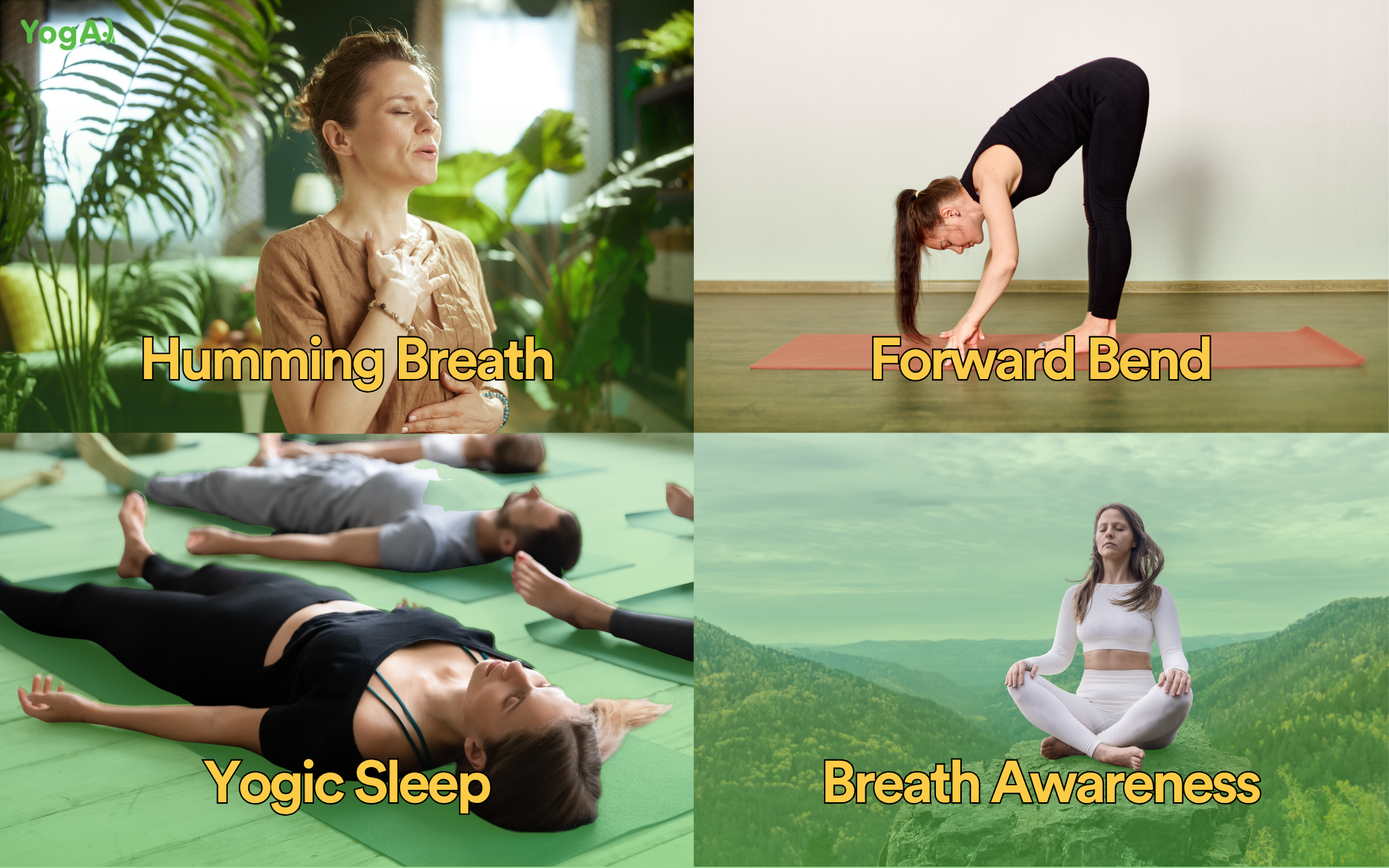
Why it works: These practices slow down the overactivity in your nervous system and help create emotional stability.
2. Period Problems (PMS, Pain, Irregularity)
Many women experience painful cramps, bloating, moodiness before periods (PMS), or cycles that come too early/late. This is often due to hormone imbalance, poor blood flow, and stress.
Helpful practices:
- Bhadrasana (Butterfly Pose): Sit up straight, bring the soles of your feet together, and let your knees drop toward the floor.
- Supta Bhadrasana (Reclined Butterfly Pose): Lie on your back with the soles of your feet together and knees fallen outward. Use pillows under your knees for comfort.
- Abdominal Breathing: Lie down and put one hand on your belly. Breathe in slowly, making your belly rise. Breathe out gently, letting it fall.
- Restorative Practices During Periods: Use simple lying-down or supported sitting poses. Use cushions and avoid any straining or effort.
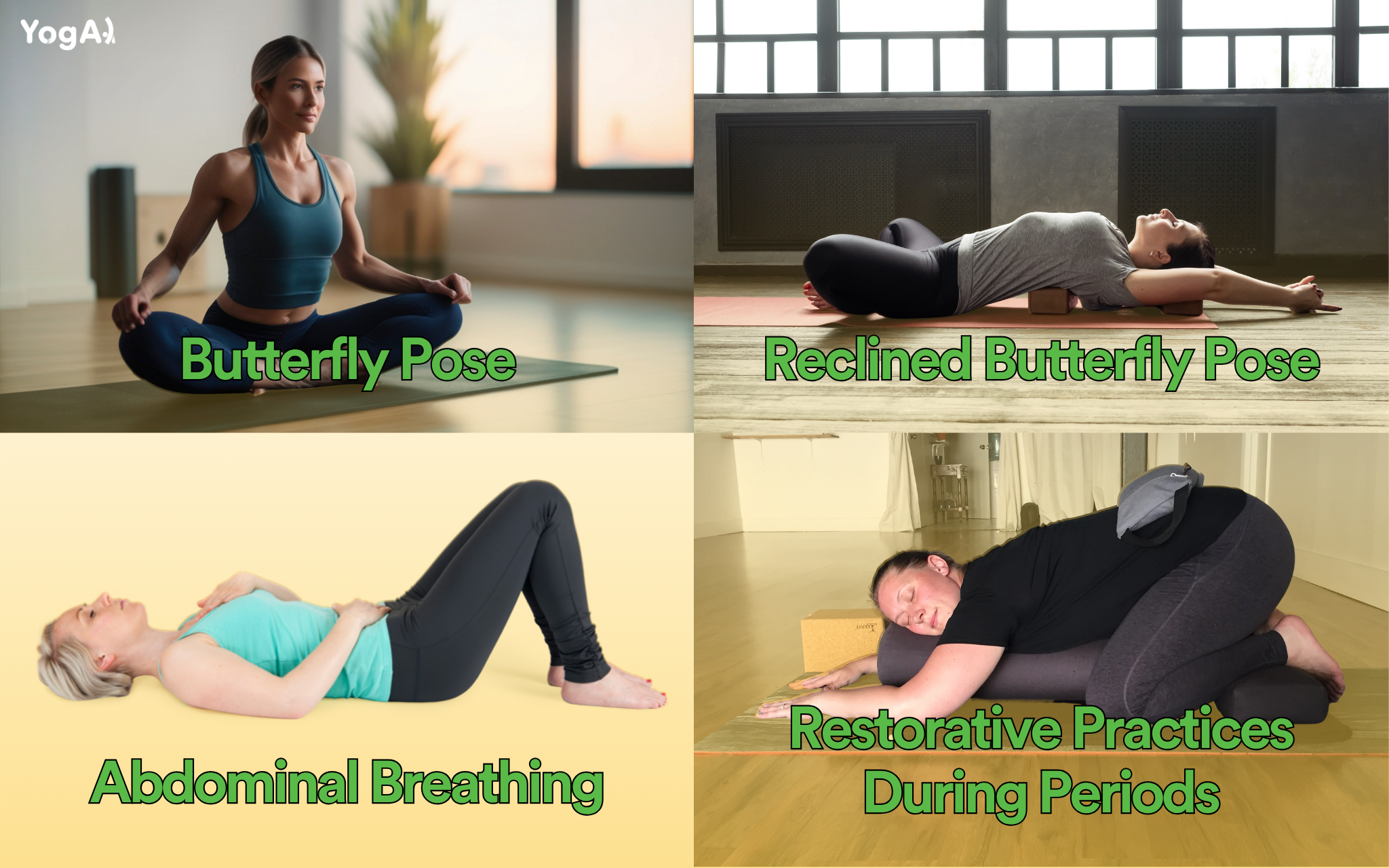
Why it works: These practices ease tension in the uterus, improve blood flow in the pelvis, and help regulate hormones.
3. PCOS (Polycystic Ovary Syndrome)
PCOS is linked to problems with insulin, hormone imbalance, irregular periods, weight gain, and stress.
Helpful practices:
- Surya Namaskar (Sun Salutations): Do the sequence slowly, linking each movement to your breath. Focus on smooth movement, not speed.
- Bhujangasana (Cobra Pose): Lie on your stomach, lift your chest gently using your back muscles (hands are light). Don’t strain your lower back. (Stimulates abdominal organs.)
- Bhastrika (Bellows Breath – ONLY with a teacher): Sit comfortably, inhale normally, then exhale forcefully by pulling your belly button in. Inhale happens naturally. Start very slowly.
- Meditation for Stress Reduction: Sit quietly, focus on one thing (like your breath or a simple word). When your mind wanders, gently bring it back.
- Consistent Routine: Go to bed, wake up, eat meals, and do your yoga practice at roughly the same time every day.
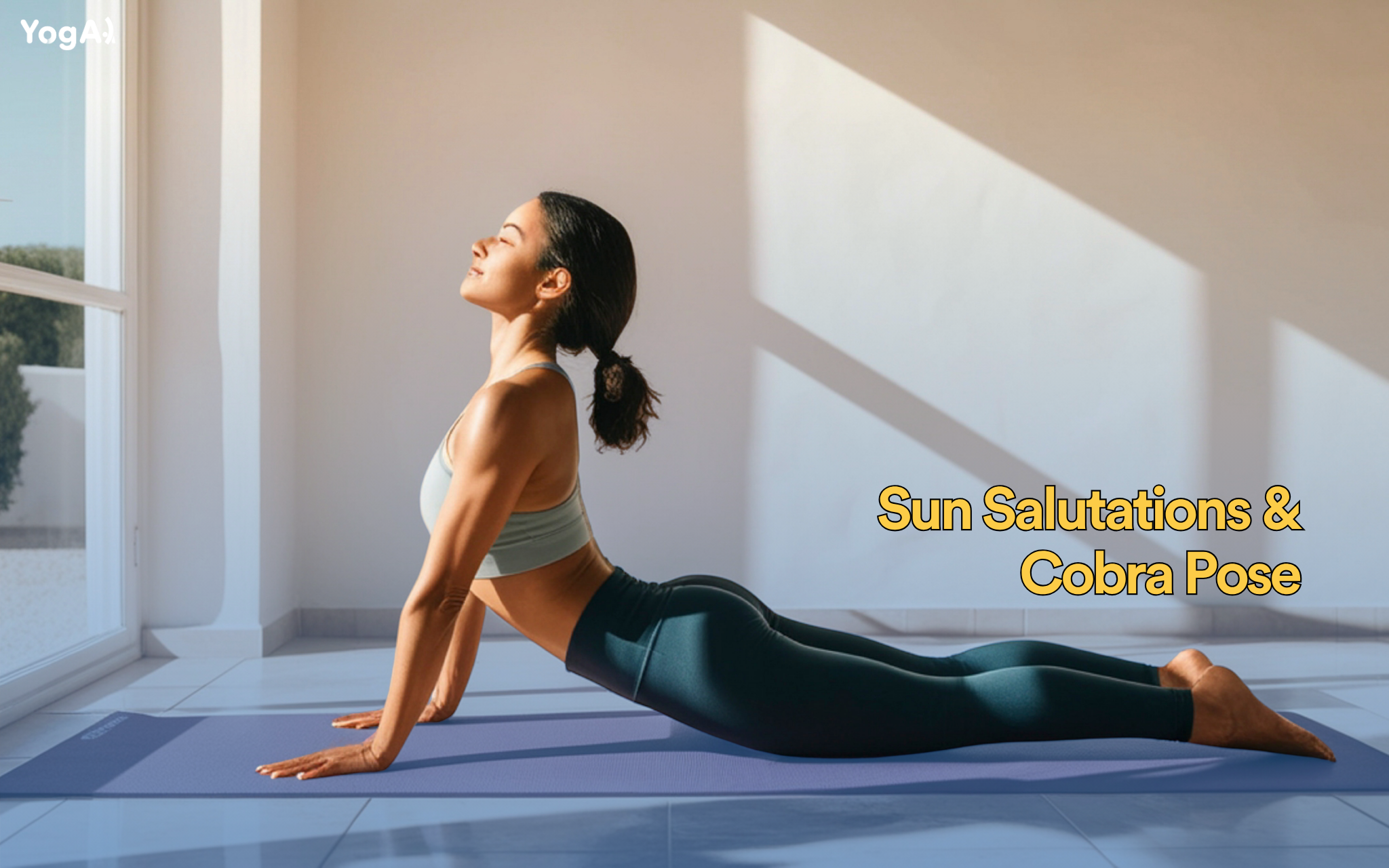
Why it works: PCOS gets much worse with stress. Yoga lowers the stress hormone (cortisol) and improves how your glands and hormones work.
4. Pregnancy (Prenatal Support)
Pregnancy can bring physical discomfort, big emotional changes, and worry about childbirth.
Practices (ALWAYS under a specialized teacher’s guidance):
- Diaphragmatic Breathing: Sit or lie down, place a hand on your belly. Breathe in slowly, making the belly rise. Breathe out gently, letting it fall. (Calming for you and baby.)
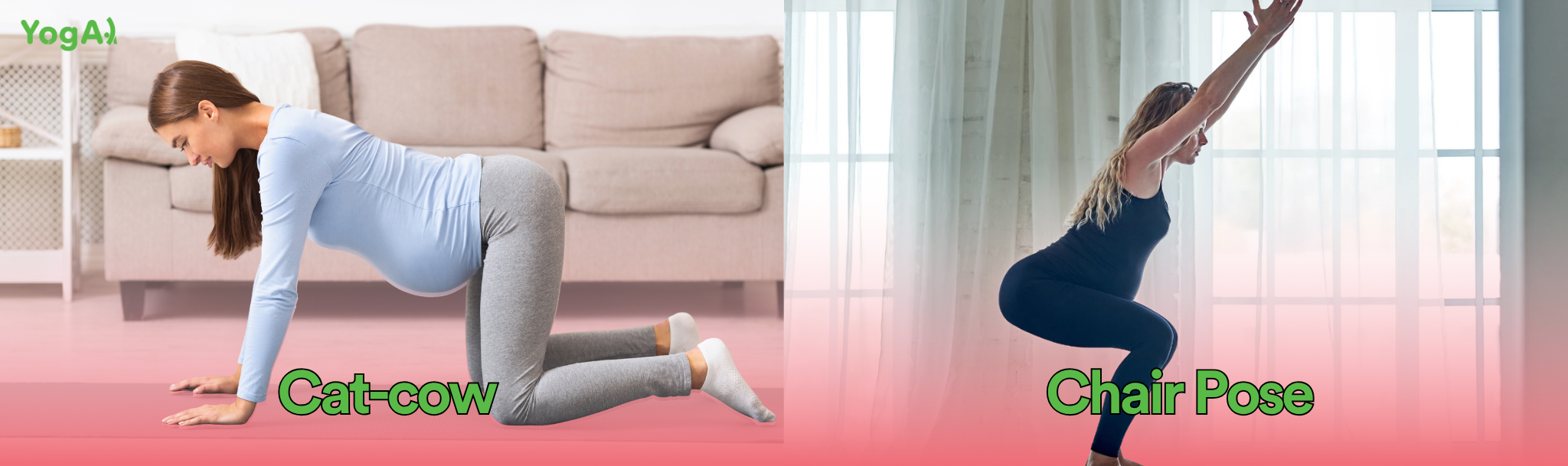
- Marjaryasana-Bitilasana (Cat-Cow): On hands and knees, gently arch your back on the inhale (Cow), and round your spine on the exhale (Cat). Move slowly with your breath.
- Utkatasana (Chair Pose): Stand with feet apart, slowly bend your knees slightly (as if sitting in a chair). Use a wall or chair for support if needed. (Builds leg strength for delivery.)
Meditation for Emotional Stability: Sit, close your eyes, focus on calm breathing or a positive thought.
Avoid: Deep twists, strong backbends, and forceful breathing exercises.
Why it works: Yoga helps with physical comfort, creates an emotional connection, calms the mind, and prepares the body for delivery.
5. Postpartum Depression (After Giving Birth)
After childbirth, many women feel empty, anxious, or sad. This is due to a drop in hormones and lack of sleep. This common issue needs support.
Helpful practices:
- Yoga Nidra (20 minutes): Lie down and follow a guided relaxation to relax your body and mind deeply.
- Gentle Stretching: Slowly move your neck, roll your shoulders, and gently stretch your spine. Do not push or force any movement.
- Bhramari Pranayama (Humming Breath): Inhale through the nose and exhale with a soft humming sound. Keep it comfortable and slow.
- Self-Compassion Meditation: Sit quietly and repeat kind, soothing thoughts to yourself, focusing on acceptance and feeling at ease.
Important: Start very slowly. Even 10 minutes is a great start.
Why it works: Yoga lessens emotional overwhelm and helps your hormones recover after birth.
6. Menopause
Menopause can cause hot flashes, sleep problems, mood swings, and anxiety.
Helpful practices:
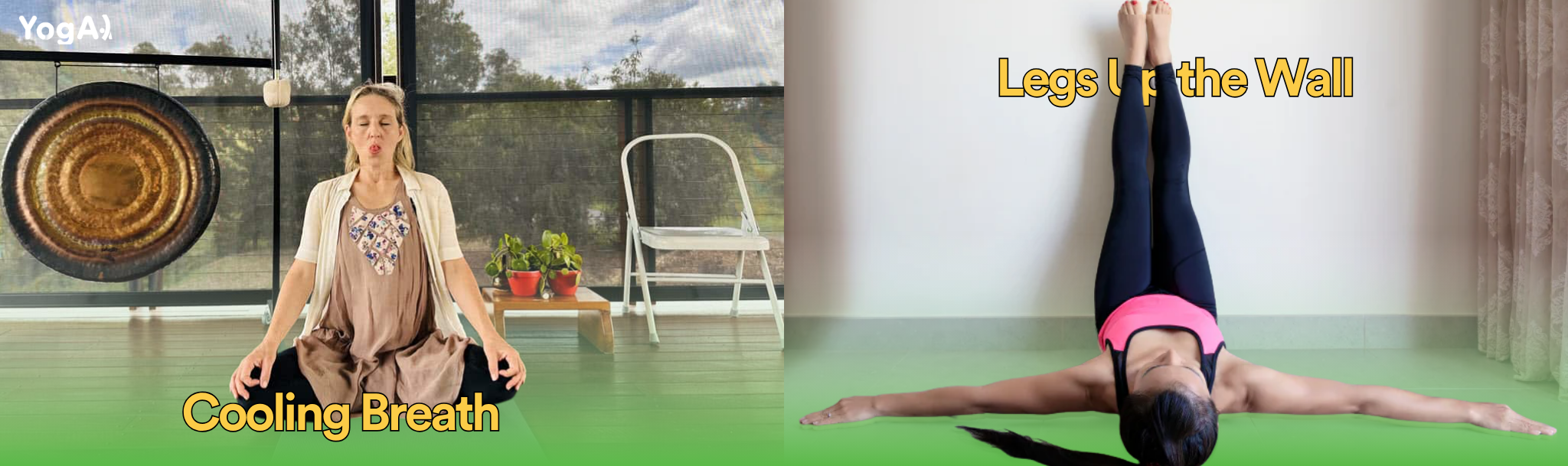
- Sheetali Pranayama (Cooling Breath): Roll your tongue (or purse your lips) and inhale through it (feeling a cooling sensation). Close your mouth and exhale through your nose. (Cools the body.)
- Viparita Karani (Legs Up the Wall): Lie on your back and raise your legs up against a wall. Keep your arms relaxed and breathe normally. (Calming and helps with hot flashes.)
- Slow Meditation Practices: Sit and focus on slow breathing, or simply watch your thoughts without getting involved with them.
- Restorative Yoga: Hold simple, supported poses using lots of pillows or cushions. Be completely comfortable with zero strain.
Why it works: These practices calm the body, help regulate internal temperature (hot flashes), and stabilize emotions.
—
Whether you are dealing with mood swings, hormone imbalance, pregnancy, postpartum recovery, menopause, or chronic illness, yoga offers specific, practical tools for every stage. By being consistent, these practices don’t just ease symptoms—they dramatically improve your overall quality of life